Training · 39 programmes

ISO, lean and kaizen seminars

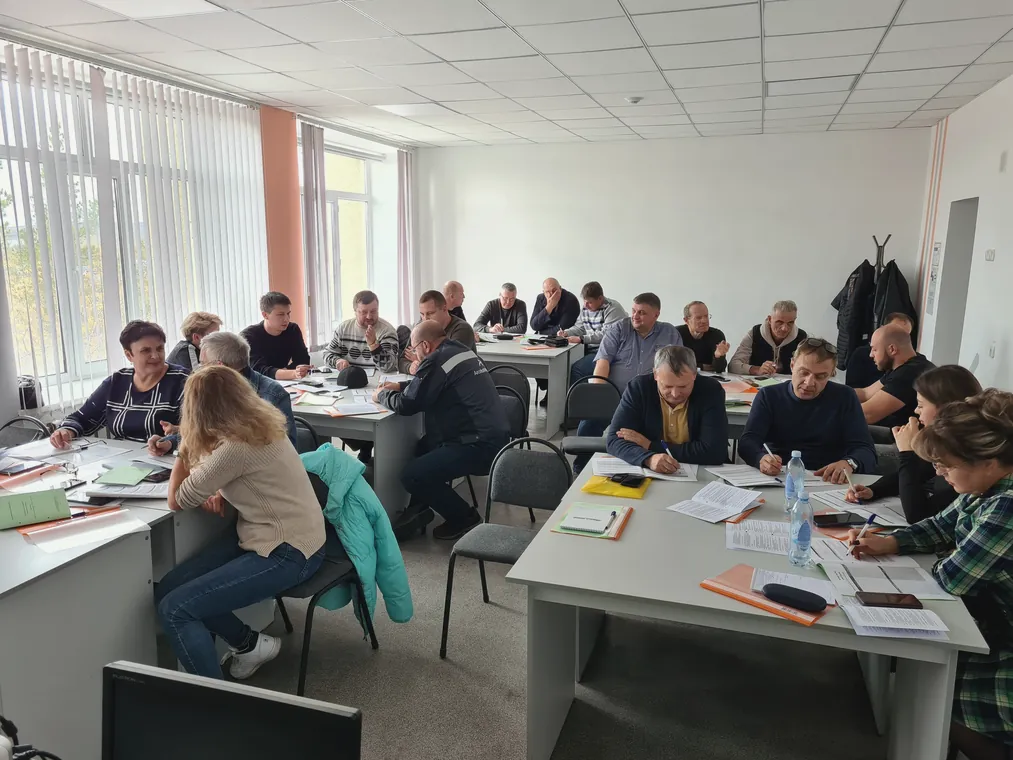
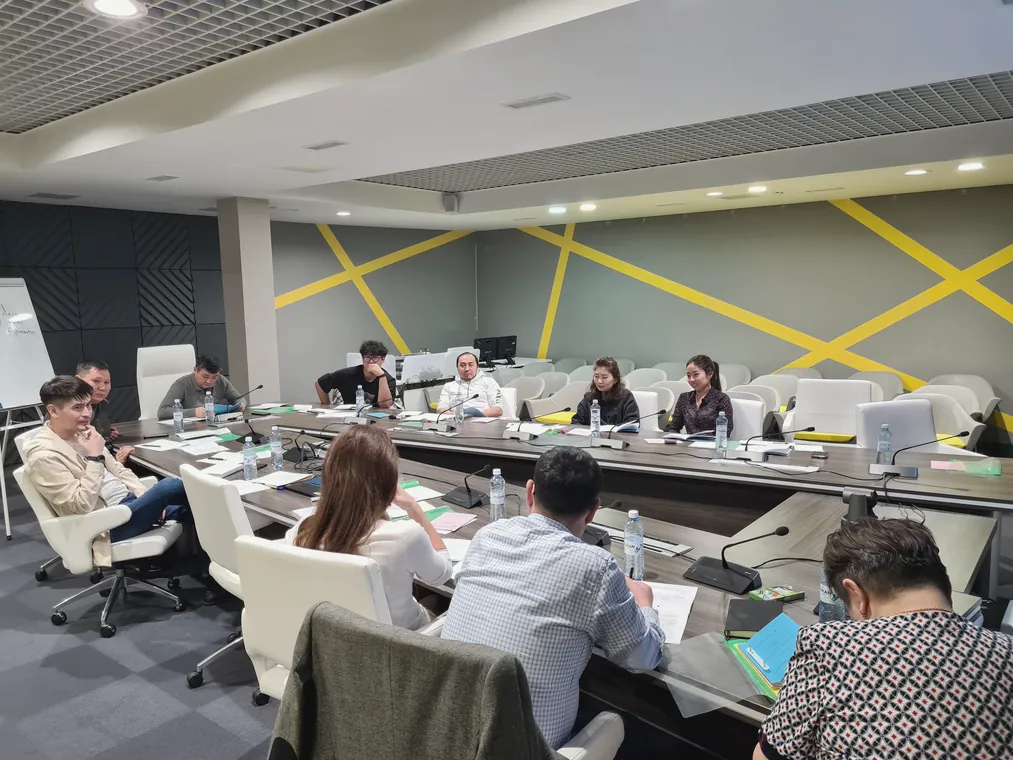
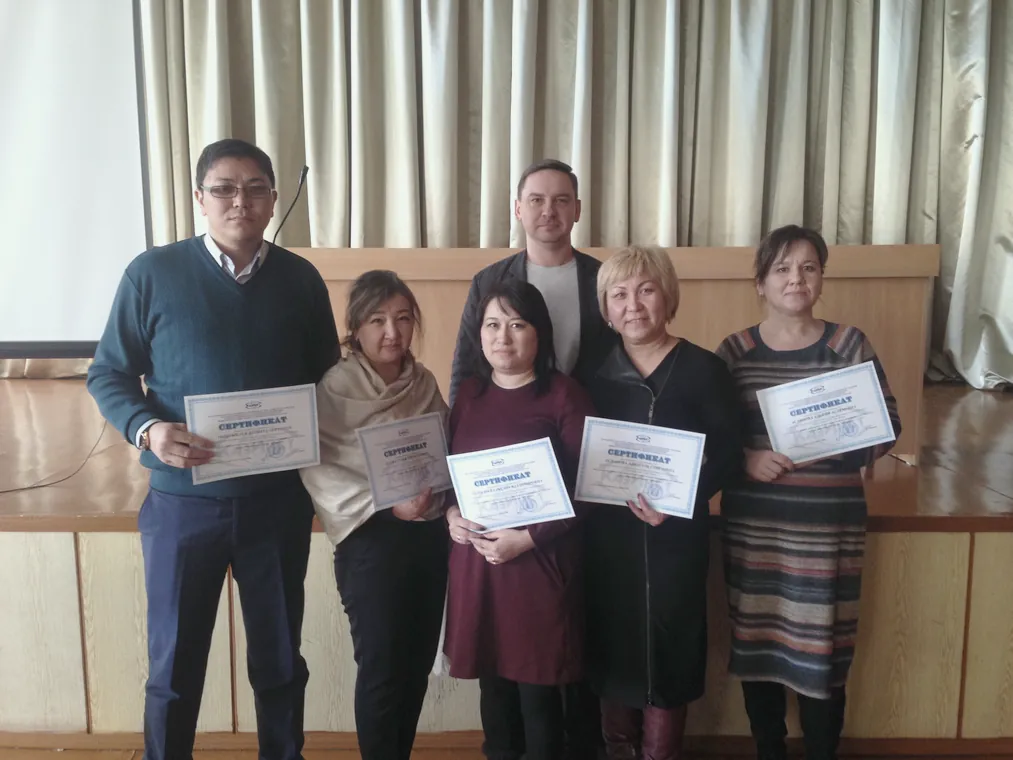
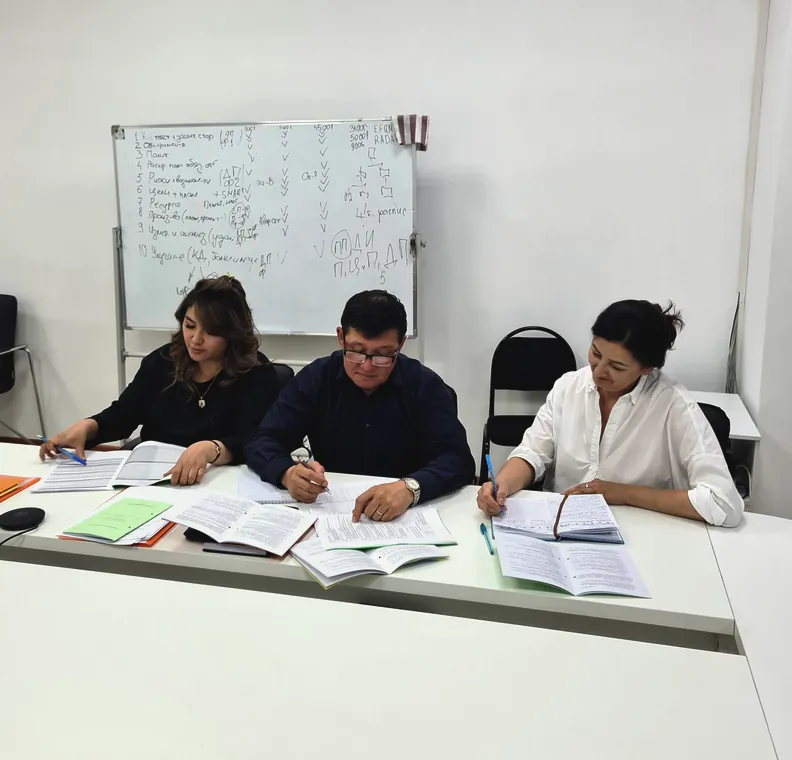
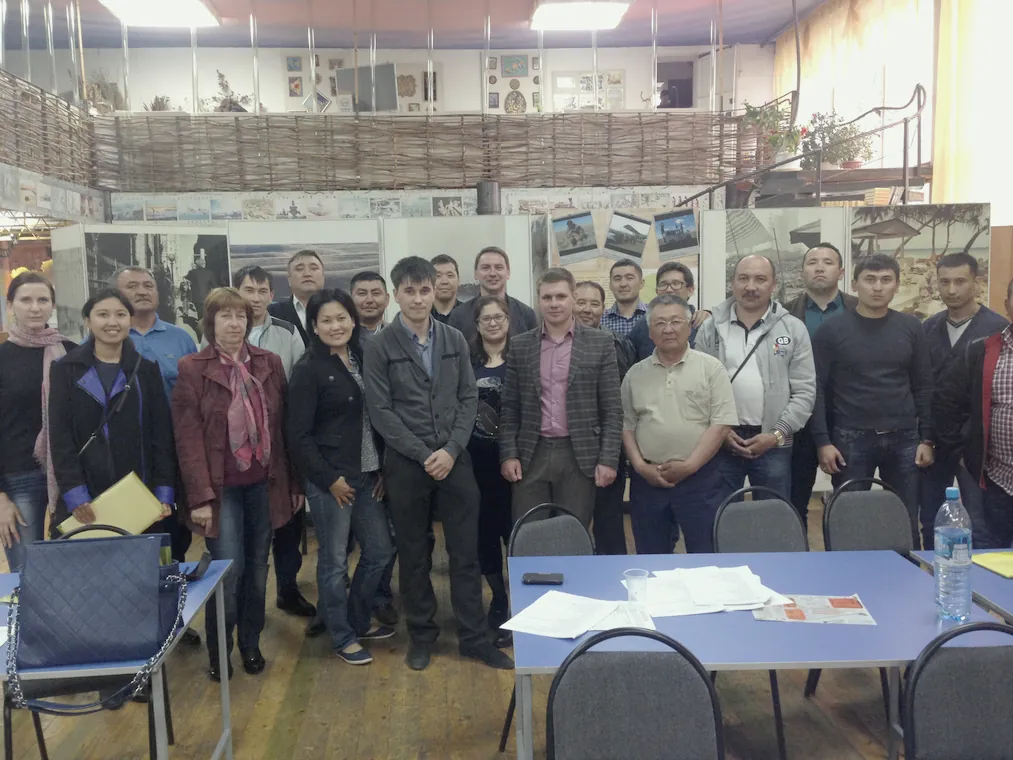
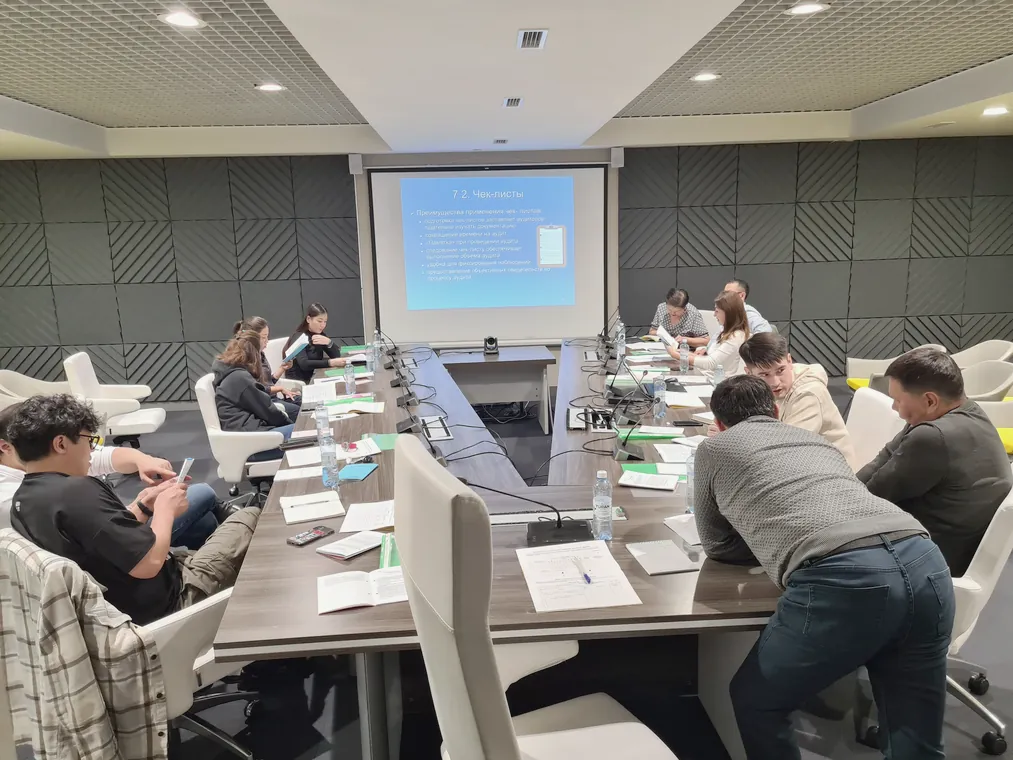
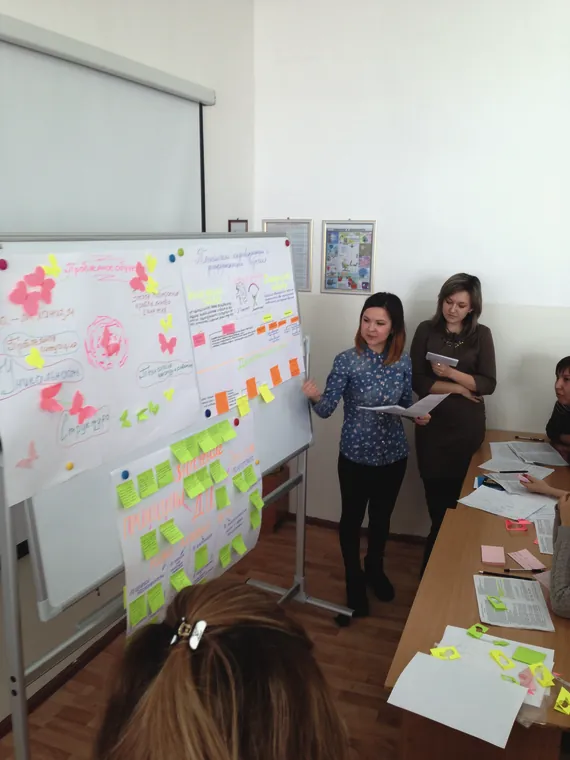
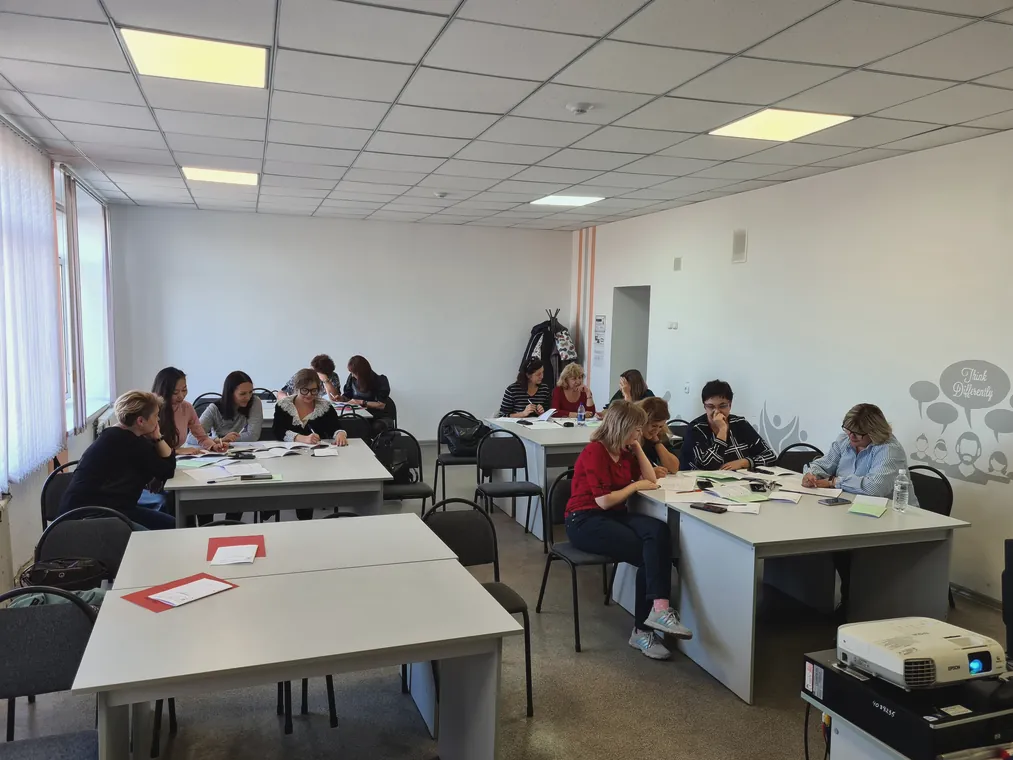
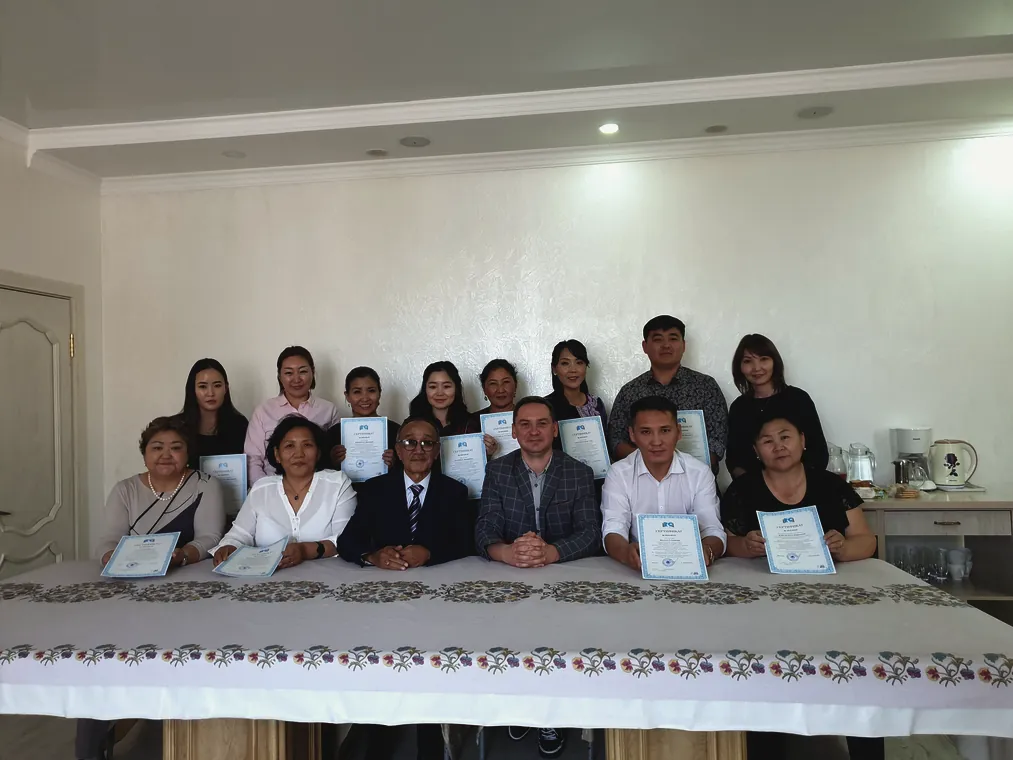
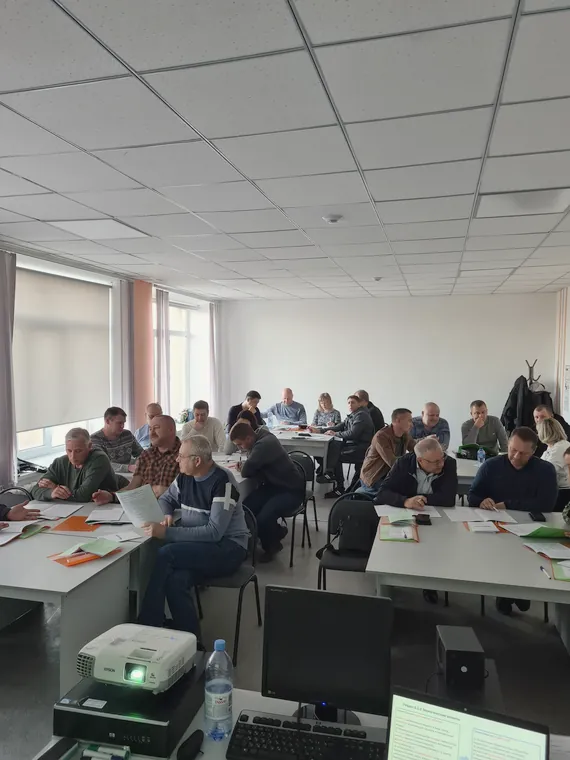
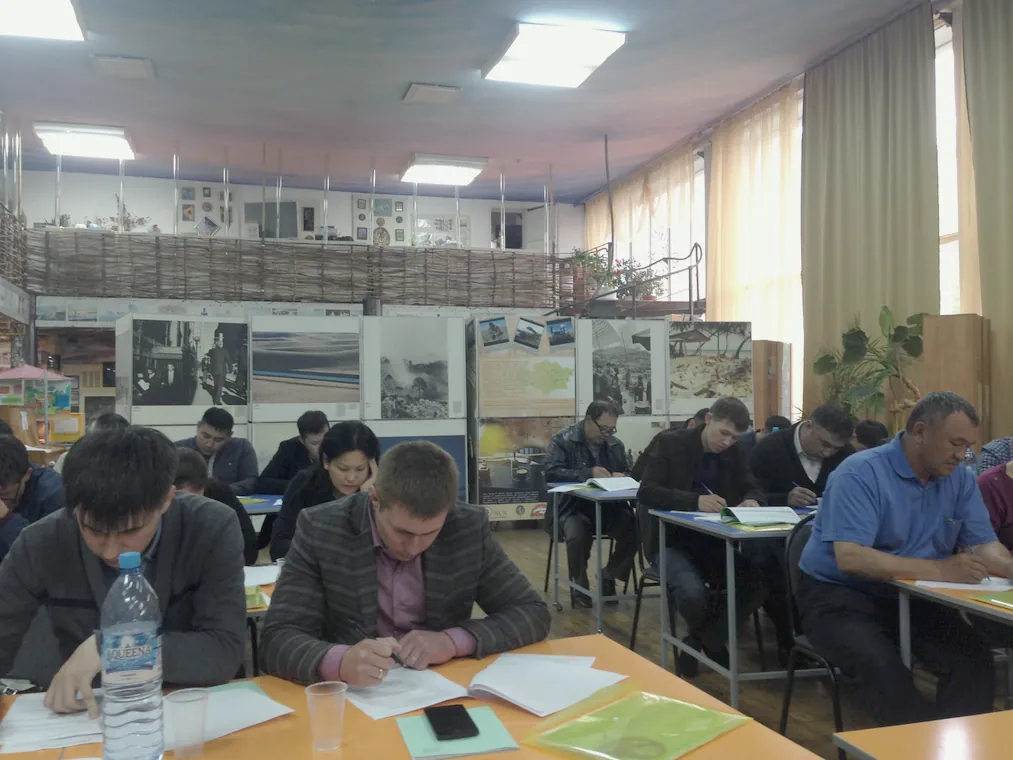
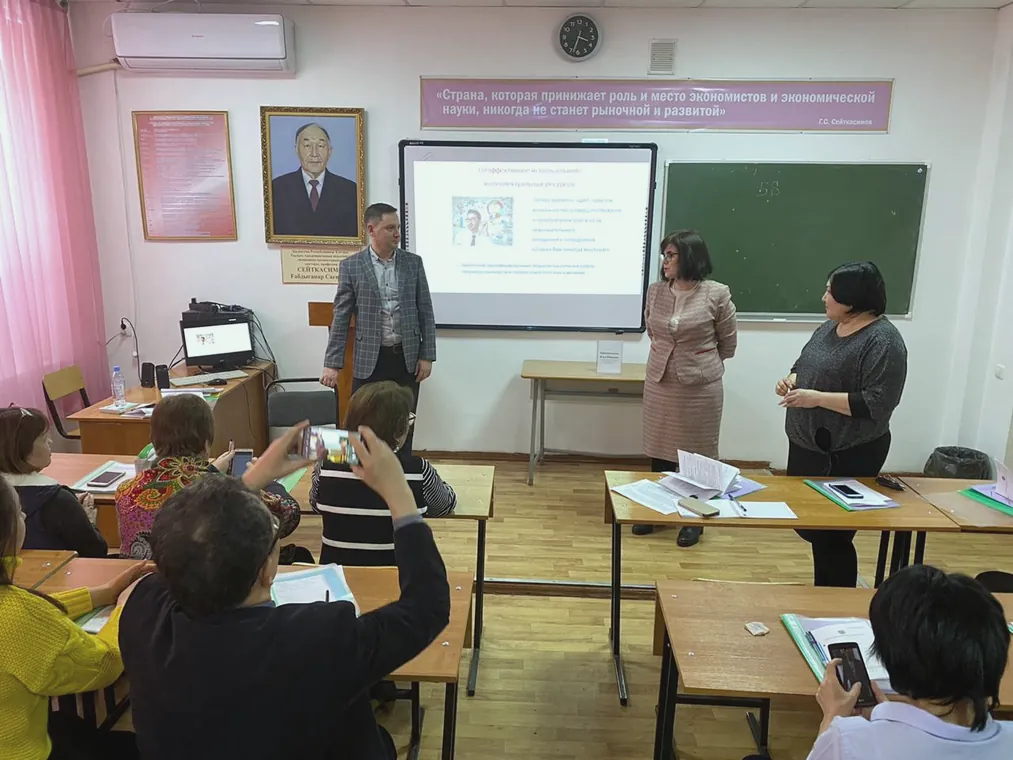
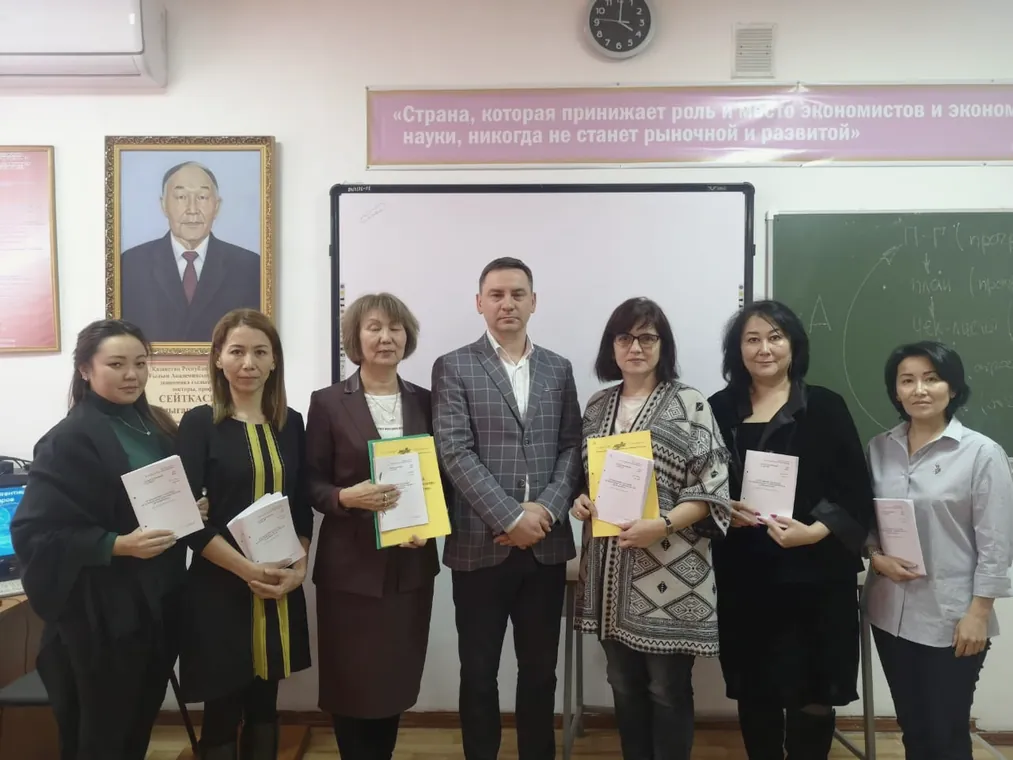
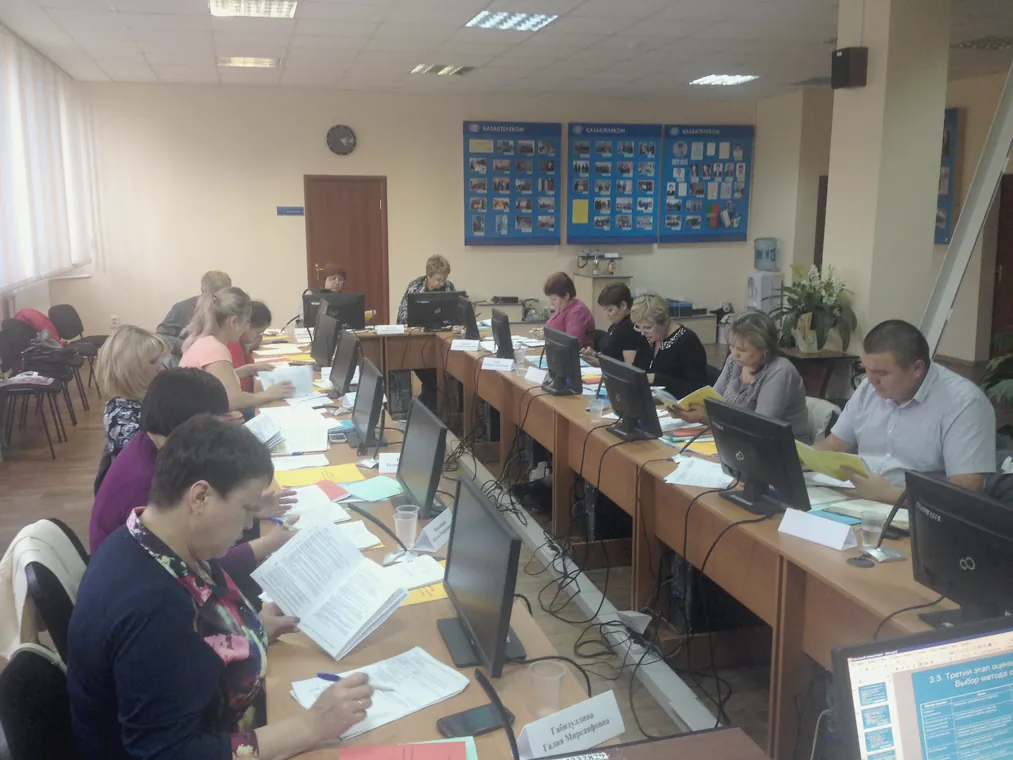
We run open seminars, corporate seminars and webinars.Seminars are delivered in Russian. You can contact us in English.Every participant receives a certificate of completion of the seminar.To enrol, click the button in the row of the programme you need: WhatsApp will open with a ready-made message.Dates are planned: a group starts once enough participants have enrolled, and we confirm the exact day when you enrol.Prices are per participant, excluding VAT.What our seminars look like

Developing and implementing management systems

ProgrammeDurationGroupPrice per participant, ₸Enrol
Transition of the quality management system to the new requirements of ISO 9001:20262 days · 8+ people · 80,000 ₸Planned start date:
Programme

What has changed in ISO 9001:2026 compared with the 2015 edition, the transition deadlines and a plan for updating your current system. For organizations certified to ISO 9001.

Who it is for: Managers, quality management representatives, quality managers and internal auditors of organizations certified to ISO 9001:2015

Day 1. What has changed in ISO 9001:2026

  • Why the standard was revised and what has stayed the same: the process approach, risk-based thinking, the clause structure
  • Leadership: quality culture and ethical behaviour
  • Quality policy: link to the context of the organization and its strategic direction
  • Risks and opportunities: considered separately
  • Staff awareness: quality culture and ethical behaviour
  • Climate change in the main text of the standard, the new Annex A
  • Workshop: clause-by-clause comparison of the 2015 and 2026 requirements

Day 2. How to transition your current system

  • Transition deadlines: from 31 March 2028 new certificates are issued only to ISO 9001:2026; the transition ends on 30 September 2029
  • How the transition works: a scheduled surveillance or recertification audit, or a separate transition audit
  • Gap analysis: what your current system lacks to meet the new requirements
  • Which documents to revise: policy, objectives, risk and opportunity register, training programmes
  • Internal audit and management review under the new edition
  • Workshop: a transition plan for your company. Final test

What participants get

  • Understanding of what has changed in ISO 9001:2026 and what it requires of your system
  • The results of a gap analysis of your own system, done in the workshop
  • A transition plan with stages, deadlines and responsible persons
  • A certificate of completion
2 days8+ people80,000
Transition of the environmental management system to the new requirements of ISO 14001:20262 days · 8+ people · 80,000 ₸Planned start date:
Programme

What has changed in ISO 14001:2026 compared with the 2015 edition, the transition deadlines and a plan for updating your current system. For organizations certified to ISO 14001.

Who it is for: Managers, environmental management representatives, environmental specialists and internal auditors of organizations certified to ISO 14001:2015

Day 1. What has changed in ISO 14001:2026

  • Why the standard was revised and what has stayed the same
  • Context of the organization: pollution, resource availability, climate change, biodiversity, ecosystem health
  • Top management accountability for environmental performance
  • Risks and opportunities: the new clause 6.1.4
  • Planning of changes: the new clause 6.3
  • Externally provided processes, products and services instead of “outsourcing”; life cycle
  • Workshop: clause-by-clause comparison of the 2015 and 2026 requirements

Day 2. How to transition your current system

  • Transition deadlines: from 31 October 2027 new certificates are issued only to ISO 14001:2026; the transition ends on 30 April 2029
  • How the transition works: a scheduled surveillance or recertification audit, or a separate transition audit
  • Gap analysis: what your current system lacks to meet the new requirements
  • Which documents to revise: context analysis, aspects register, risks and opportunities, requirements for suppliers and contractors
  • Internal audit under the new edition: audit programme and objectives, management review
  • Transition in an integrated system: how to combine it with the transition to ISO 9001:2026
  • Workshop: a transition plan for your company. Final test

What participants get

  • Understanding of what has changed in ISO 14001:2026 and what it requires of your system
  • The results of a gap analysis of your own system, done in the workshop
  • A transition plan with stages, deadlines and responsible persons
  • A certificate of completion
2 days8+ people80,000
Development and implementation of a quality management system in accordance with ISO 90013 days · 8+ people · 80,000 ₸Planned start date:
Programme

Requirements of the standard, implementation stages and the set of documents. For managers and specialists who are building a quality management system in their organization.

Who it is for: Heads of companies and departments, management representatives for the management system, specialists who will develop and implement the system

Day 1. ISO 9001: purpose and structure

  • Why an organization needs a quality management system: customer, legal and market requirements
  • Structure of ISO 9001, key terms, the plan-do-check-act cycle
  • Context of the organization: external and internal issues, interested parties, scope of the system
  • Leadership: policy, roles and responsibilities, involvement of top management
  • The seven quality management principles and the process approach: how to identify and describe processes
  • Quality culture and ethical behaviour: what the standard expects of management and how to demonstrate it
  • Quality policy: link to the context of the organization and its strategic direction
  • Climate change in the analysis of context and of interested parties’ requirements
  • The current edition of the standard: what has changed and the transition deadlines for organizations that are already certified

Day 2. Key requirements and how to meet them

  • Risks and opportunities: considered separately, and actions to address them
  • Quality objectives and planning to achieve them
  • Staff awareness: policy, objectives, quality culture and ethical behaviour
  • Resources: people and competence, infrastructure, measuring equipment, organizational knowledge
  • Requirements for products and services, customer communication
  • Design and development, control of external providers
  • Production and service provision, identification and traceability, release of products
  • Control of nonconforming outputs, customer satisfaction
  • Workshop: reviewing the requirements using examples from participants’ organizations

Day 3. Implementation and preparation for certification

  • Project stages: diagnostic review, training, document development, implementation, internal audit, certification
  • Documentation: policy and objectives, process maps, documented procedures, instructions, record forms
  • Monitoring and measurement, internal audit, management review
  • Nonconformities and corrective actions, continual improvement
  • The certification process: choosing a certification body, the two audit stages, typical nonconformities
  • Workshop: an implementation plan for your company. Final test

What participants get

  • Understanding of the requirements of ISO 9001 and how they apply to your company
  • An implementation plan with stages, deadlines and responsible persons
  • A list of the documents to be developed
  • A certificate of completion
3 days8+ people80,000
Development and implementation of an environmental management system in accordance with ISO 140013 days · 8+ people · 80,000 ₸Planned start date:
Programme

Requirements of the standard, implementation stages and the set of documents. For managers and specialists who are building an environmental management system in their organization.

Who it is for: Heads of companies and departments, management representatives for the management system, specialists who will develop and implement the system, company environmental specialists

Day 1. ISO 14001: purpose and structure

  • Why an organization needs an environmental management system: customer, legal and market requirements
  • Structure of ISO 14001, key terms, the plan-do-check-act cycle
  • Context of the organization: external and internal issues, interested parties, scope of the system
  • Leadership: policy, roles and responsibilities, involvement of top management
  • Environmental policy and commitments: legal and other requirements
  • Environmental conditions in the context analysis: pollution, resource availability, climate change, biodiversity, ecosystem health
  • Top management accountability for environmental performance
  • The current edition of the standard: what has changed and the transition deadlines for organizations that are already certified

Day 2. Key requirements and how to meet them

  • Environmental aspects: how to identify them and assess their significance from a life cycle perspective
  • Risks and opportunities of the environmental management system and actions to address them
  • The register of applicable legal requirements and evaluation of compliance
  • Environmental objectives and programmes to achieve them
  • Operational control: emissions, discharges, waste, resource consumption
  • Planning of changes: considering environmental consequences before a change is implemented
  • Externally provided processes, products and services: environmental requirements for suppliers and contractors
  • Emergency preparedness and response
  • Workshop: reviewing the requirements using examples from participants’ organizations

Day 3. Implementation and preparation for certification

  • Project stages: diagnostic review, training, document development, implementation, internal audit, certification
  • Documentation: environmental aspects register, legal requirements register, risk and opportunity register, programmes, operational control and change procedures, emergency plans
  • Monitoring and measurement, internal audit, management review
  • Nonconformities and corrective actions, continual improvement
  • The certification process: choosing a certification body, the two audit stages, typical nonconformities
  • Workshop: an implementation plan for your company. Final test

What participants get

  • Understanding of the requirements of ISO 14001 and how they apply to your company
  • An implementation plan with stages, deadlines and responsible persons
  • A list of the documents to be developed
  • A certificate of completion
3 days8+ people80,000
Development and implementation of an occupational health and safety management system in accordance with ISO 450013 days · 8+ people · 80,000 ₸Planned start date:
Programme

Requirements of the standard, implementation stages and the set of documents. For managers and specialists who are building an occupational health and safety management system in their organization.

Who it is for: Heads of companies and departments, management representatives for the management system, specialists who will develop and implement the system, health and safety specialists

Day 1. ISO 45001: purpose and structure

  • Why an organization needs an occupational health and safety management system: customer, legal and market requirements
  • Structure of ISO 45001, key terms, the plan-do-check-act cycle
  • Context of the organization: external and internal issues, interested parties, scope of the system
  • Leadership: policy, roles and responsibilities, involvement of top management
  • Consultation and participation of workers: what the standard requires and how to organize it

Day 2. Key requirements and how to meet them

  • Hazard identification, assessment of risks and opportunities
  • Legal and other occupational health and safety requirements
  • Objectives and programmes, the hierarchy of controls
  • Operational control, management of change
  • Contractors, procurement and outsourcing: safety requirements
  • Emergency preparedness, incident investigation
  • Workshop: reviewing the requirements using examples from participants’ organizations

Day 3. Implementation and preparation for certification

  • Project stages: diagnostic review, training, document development, implementation, internal audit, certification
  • Documentation: hazard and risk register, legal requirements register, programmes, safety instructions, emergency response plans
  • Monitoring and measurement, internal audit, management review
  • Nonconformities and corrective actions, continual improvement
  • The certification process: choosing a certification body, the two audit stages, typical nonconformities
  • Workshop: an implementation plan for your company. Final test

What participants get

  • Understanding of the requirements of ISO 45001 and how they apply to your company
  • An implementation plan with stages, deadlines and responsible persons
  • A list of the documents to be developed
  • A certificate of completion
3 days8+ people80,000
Development and implementation of a food safety management system in accordance with ISO 220003 days · 8+ people · 80,000 ₸Planned start date:
Programme

Requirements of the standard, implementation stages and the set of documents. For managers and specialists who are building a food safety management system and HACCP plans in their organization.

Who it is for: Heads of companies and departments, management representatives for the management system, specialists who will develop and implement the system, food production and food service technologists

Day 1. ISO 22000: purpose and structure

  • Why an organization needs a food safety management system: customer, legal and market requirements
  • Structure of ISO 22000, key terms, the plan-do-check-act cycle
  • Context of the organization: external and internal issues, interested parties, scope of the system
  • Leadership: policy, roles and responsibilities, involvement of top management
  • HACCP principles and their link to ISO 22000, the requirements of technical regulation TR CU 021/2011

Day 2. Key requirements and how to meet them

  • Prerequisite programmes: premises, equipment, hygiene, water, pest control
  • Food safety team, product description, flow diagrams
  • Hazard analysis: biological, chemical and physical hazards, allergens
  • Critical control points and operational prerequisite programmes (OPRP)
  • HACCP plan: critical limits, monitoring, corrective actions
  • Traceability, validation and verification, withdrawal and recall
  • Workshop: reviewing the requirements using examples from participants’ organizations

Day 3. Implementation and preparation for certification

  • Project stages: diagnostic review, training, document development, implementation, internal audit, certification
  • Documentation: prerequisite programmes, product descriptions, flow diagrams, HACCP plans, monitoring forms
  • Monitoring and measurement, internal audit, management review
  • Nonconformities and corrective actions, continual improvement
  • The certification process: choosing a certification body, the two audit stages, typical nonconformities
  • Workshop: an implementation plan for your company. Final test

What participants get

  • Understanding of the requirements of ISO 22000 and how they apply to your company
  • An implementation plan with stages, deadlines and responsible persons
  • A list of the documents to be developed
  • A certificate of completion
3 days8+ people80,000
Development and implementation of an energy management system in accordance with ISO 500013 days · 8+ people · 80,000 ₸Planned start date:
Programme

Requirements of the standard, implementation stages and the set of documents. For managers and specialists who are building an energy management system in their organization.

Who it is for: Heads of companies and departments, management representatives for the management system, specialists who will develop and implement the system, chief power engineers and energy department specialists

Day 1. ISO 50001: purpose and structure

  • Why an organization needs an energy management system: customer, legal and market requirements
  • Structure of ISO 50001, key terms, the plan-do-check-act cycle
  • Context of the organization: external and internal issues, interested parties, scope of the system
  • Leadership: policy, roles and responsibilities, involvement of top management
  • Requirements of the Law of the Republic of Kazakhstan “On Energy Saving and Energy Efficiency Improvement”, the mandatory energy audit

Day 2. Key requirements and how to meet them

  • Energy review: where, how much and for what energy is used
  • Significant energy uses and the variables that affect them
  • Energy performance indicators and the energy baseline
  • Energy objectives and action plans
  • Energy efficiency in the design and procurement of equipment and energy
  • Data collection plan, monitoring and measurement of energy performance
  • Workshop: reviewing the requirements using examples from participants’ organizations

Day 3. Implementation and preparation for certification

  • Project stages: diagnostic review, training, document development, implementation, internal audit, certification
  • Documentation: energy policy, energy review report, indicators and baselines, action plans, data collection plan
  • Monitoring and measurement, internal audit, management review
  • Nonconformities and corrective actions, continual improvement
  • The certification process: choosing a certification body, the two audit stages, typical nonconformities
  • Workshop: an implementation plan for your company. Final test

What participants get

  • Understanding of the requirements of ISO 50001 and how they apply to your company
  • An implementation plan with stages, deadlines and responsible persons
  • A list of the documents to be developed
  • A certificate of completion
3 days8+ people80,000
Development and implementation of an information security management system in accordance with ISO/IEC 270013 days · 8+ people · 80,000 ₸Planned start date:
Programme

Requirements of the standard, implementation stages and the set of documents. For managers and specialists who are building an information security management system in their organization.

Who it is for: Heads of companies and departments, management representatives for the management system, specialists who will develop and implement the system, IT and security managers and specialists

Day 1. ISO/IEC 27001: purpose and structure

  • Why an organization needs an information security management system: customer, legal and market requirements
  • Structure of ISO/IEC 27001, key terms, the plan-do-check-act cycle
  • Context of the organization: external and internal issues, interested parties, scope of the system
  • Leadership: policy, roles and responsibilities, involvement of top management
  • Information assets; confidentiality, integrity and availability of information

Day 2. Key requirements and how to meet them

  • Scope of the system and information security policy
  • Information security risk assessment: methodology, criteria, risk register
  • Risk treatment and the Statement of Applicability
  • Controls: organizational, people, physical and technological
  • Access control, supplier relationships, staff awareness
  • Incident management and business continuity
  • Workshop: reviewing the requirements using examples from participants’ organizations

Day 3. Implementation and preparation for certification

  • Project stages: diagnostic review, training, document development, implementation, internal audit, certification
  • Documentation: policy, risk methodology and register, Statement of Applicability, risk treatment plan, procedures for controls
  • Monitoring and measurement, internal audit, management review
  • Nonconformities and corrective actions, continual improvement
  • The certification process: choosing a certification body, the two audit stages, typical nonconformities
  • Workshop: an implementation plan for your company. Final test

What participants get

  • Understanding of the requirements of ISO/IEC 27001 and how they apply to your company
  • An implementation plan with stages, deadlines and responsible persons
  • A list of the documents to be developed
  • A certificate of completion
3 days8+ people80,000
Development and implementation of an integrated management system4 days · 8+ people · 90,000 ₸Planned start date:
Programme

How to combine the requirements of several standards into one system with shared documents and a single audit. For managers and those responsible for management systems.

Who it is for: Heads of companies and departments, management representatives for the management system, specialists who will develop and implement the system

Day 1. What an integrated system is and what it is built on

  • Why combine systems: duplicated documents, audits and reports in separate systems
  • The common structure of ISO management system standards: shared clauses and shared requirements
  • Context of the organization, interested parties, scope of the IMS
  • A single policy and aligned quality, environmental and health and safety objectives

Day 2. Quality and environment in one system

  • ISO 9001 requirements: processes, risks and opportunities, product requirements, suppliers, nonconformities
  • Quality culture and ethical behaviour in the ISO 9001 requirements for management and staff
  • ISO 14001 requirements: environmental aspects, legal requirements, operational control
  • Environmental conditions in the context analysis, planning of changes, externally provided processes and products
  • What these requirements have in common and is done only once
  • Workshop: a process map with quality indicators and environmental aspects

Day 3. Health and safety and shared documentation

  • ISO 45001 requirements: hazards and risks, worker participation, emergency preparedness
  • Adding ISO 50001 and ISO 22000: when it is needed and what it adds
  • IMS documentation structure: common procedures and specific documents
  • Workshop: a single procedure for managing nonconformities and corrective actions

Day 4. IMS implementation, audit and certification

  • The implementation project plan: stages, deadlines, responsible persons, resources
  • A single internal audit and a single management review
  • The combined certification audit: how it works and how to prepare for it
  • The new editions of ISO 9001 and ISO 14001: different transition deadlines and one common plan for the IMS
  • Typical integration mistakes
  • Workshop: an IMS implementation plan for your company. Final test

What participants get

  • Understanding of which requirements of the standards are common and which are specific
  • An IMS documentation structure for your company
  • An implementation plan with stages and responsible persons
  • A certificate of completion
4 days8+ people90,000
Development and implementation of a management system for testing and calibration laboratories in accordance with ISO/IEC 170253 days · 8+ people · 90,000 ₸Planned start date:
Programme

Requirements of the standard, implementation stages and the set of documents. For managers and specialists who are building the management system of a testing or calibration laboratory in their organization.

Who it is for: Managers and staff of testing and calibration laboratories, laboratory quality managers

Day 1. ISO/IEC 17025: purpose and general requirements

  • Why a laboratory needs a management system: confidence in results, requirements of customers and the accreditation body
  • Structure of the standard and key terms
  • Impartiality and confidentiality
  • Structural requirements for the laboratory, responsibilities and authorities
  • Two options for building a laboratory management system

Day 2. Resource and process requirements

  • Personnel: competence, authorization, monitoring
  • Facilities, environmental conditions, equipment, verification and calibration
  • Metrological traceability, externally provided products and services
  • Requests and contracts; selection, verification and validation of methods
  • Sampling and handling of test items, technical records, evaluation of measurement uncertainty
  • Ensuring the validity of results, interlaboratory comparisons, reporting of results
  • Workshop: reviewing the requirements using examples from participants’ laboratories

Day 3. Implementation and preparation for accreditation

  • Project stages: diagnostic review, training, document development, implementation, internal audit
  • Documentation: quality manual, procedures, method work instructions, technical record forms
  • Complaints and nonconforming work, corrective actions
  • Internal audit and management review
  • The accreditation process: application, assessment by the accreditation body, typical nonconformities
  • Workshop: an implementation plan for your laboratory. Final test

What participants get

  • Understanding of the requirements of ISO/IEC 17025 and how they apply to your laboratory
  • An implementation plan with stages, deadlines and responsible persons
  • A list of the documents to be developed
  • A certificate of completion
3 days8+ people90,000
Development and implementation of a supply chain security management system in accordance with ISO 28001. Best practices for supply chain security, assessments and plans3 days · 8+ people · 150,000 ₸Planned start date:
Programme

ISO 28001 requirements, threat assessment and supply chain security plans. For logistics and transport companies.

Who it is for: Managers and specialists of logistics, transport and warehousing companies and security services

Day 1. ISO 28001: purpose and structure

  • Why an organization needs a supply chain security management system: customer, legal and market requirements
  • Structure of ISO 28001, key terms, the plan-do-check-act cycle
  • Context of the organization: external and internal issues, interested parties, scope of the system
  • Leadership: policy, roles and responsibilities, involvement of top management
  • Supply chain participants and boundaries of responsibility, requirements for business partners

Day 2. Key requirements and how to meet them

  • Security assessment: description of the supply chain and existing security measures
  • Security threat scenarios and assessment of their consequences and likelihood
  • Choosing countermeasures and developing the security plan
  • Best practices for securing cargo, transport, premises, personnel and information
  • Implementing the plan, staff training, incident response
  • Documentation, monitoring and review of the plan
  • Workshop: reviewing the requirements using examples from participants’ organizations

Day 3. Implementation and preparation for certification

  • Project stages: diagnostic review, training, document development, implementation, internal audit, certification
  • Documentation: statement of scope, security assessment report, security plan, incident response procedures
  • Monitoring and measurement, internal audit, management review
  • Nonconformities and corrective actions, continual improvement
  • The certification process: choosing a certification body, the two audit stages, typical nonconformities
  • Workshop: an implementation plan for your company. Final test

What participants get

  • Understanding of the requirements of ISO 28001 and how they apply to your company
  • An implementation plan with stages, deadlines and responsible persons
  • A list of the documents to be developed
  • A certificate of completion
3 days8+ people150,000
Development and implementation of a quality management system for organizations supplying products and services to the petroleum, petrochemical and natural gas industries in accordance with ISO 290013 days · 8+ people · 150,000 ₸Planned start date:
Programme

Quality system requirements for suppliers to the petroleum, petrochemical and natural gas industries. For companies working with oil and gas customers.

Who it is for: Managers and specialists of companies supplying products and services to oil and gas companies

Day 1. ISO 29001: purpose and structure

  • Why an organization needs a quality management system for the petroleum, petrochemical and natural gas industries: customer, legal and market requirements
  • Structure of ISO 29001, key terms, the plan-do-check-act cycle
  • Context of the organization: external and internal issues, interested parties, scope of the system
  • Leadership: policy, roles and responsibilities, involvement of top management
  • What the sector standard adds to ISO 9001 and why oil and gas customers require it

Day 2. Key requirements and how to meet them

  • Risk assessment and contingency planning
  • Management of change
  • Personnel competence and training requirements
  • Design and development: additional documentation and verification requirements
  • Critical supplies: evaluation and control of suppliers
  • Production control, inspection and testing, nonconforming product
  • Workshop: reviewing the requirements using examples from participants’ organizations

Day 3. Implementation and preparation for certification

  • Project stages: diagnostic review, training, document development, implementation, internal audit, certification
  • Documentation: policy and objectives, procedures, quality plans, change and risk management procedures, records
  • Monitoring and measurement, internal audit, management review
  • Nonconformities and corrective actions, continual improvement
  • The certification process: choosing a certification body, the two audit stages, typical nonconformities
  • Workshop: an implementation plan for your company. Final test

What participants get

  • Understanding of the requirements of ISO 29001 and how they apply to your company
  • An implementation plan with stages, deadlines and responsible persons
  • A list of the documents to be developed
  • A certificate of completion
3 days8+ people150,000
Development and implementation of a quality management system in higher education institutions in accordance with ISO 90013 days · 8+ people · 90,000 ₸Planned start date:
Programme

How to apply ISO 9001 requirements to university processes: teaching, research, administration. For managers and staff of educational institutions.

Who it is for: Rectors, vice-rectors, deans, heads of departments, staff of the quality offices of educational institutions

Day 1. ISO 9001: purpose and structure

  • Why an organization needs a quality management system of a university: customer, legal and market requirements
  • Structure of ISO 9001, key terms, the plan-do-check-act cycle
  • Context of the organization: external and internal issues, interested parties, scope of the system
  • Leadership: policy, roles and responsibilities, involvement of top management
  • What is specific about a university: who the customer is, what the results of teaching and research are
  • Quality culture and ethical behaviour at a university: what the standard expects of management, teachers and staff
  • The current edition of the standard: what has changed and the transition deadlines for organizations that are already certified

Day 2. Key requirements and how to meet them

  • Risks and opportunities of a university: considered separately, and actions to address them
  • University processes: admissions, teaching, research, extracurricular educational work, support services
  • Requirements of state education standards and accreditation and their link to ISO 9001
  • Objectives and indicators for the processes of a department, a faculty and the university
  • Teacher competence, teaching materials, infrastructure
  • Assessment of student, employer and teacher satisfaction
  • Managing nonconformities in teaching
  • Workshop: reviewing the requirements using examples from participants’ organizations

Day 3. Implementation and preparation for certification

  • Project stages: diagnostic review, training, document development, implementation, internal audit, certification
  • Documentation: university policy and objectives, process maps, departmental regulations, procedures, record forms
  • Monitoring and measurement, internal audit, management review
  • Nonconformities and corrective actions, continual improvement
  • The certification process: choosing a certification body, the two audit stages, typical nonconformities
  • Workshop: an implementation plan for your company. Final test

What participants get

  • Understanding of the requirements of ISO 9001 and how they apply to your company
  • An implementation plan with stages, deadlines and responsible persons
  • A list of the documents to be developed
  • A certificate of completion
3 days8+ people90,000

Internal audit of management systems

ProgrammeDurationGroupPrice per participant, ₸Enrol
Internal audit of a quality management system in accordance with ISO 90013 days · 8+ people · 90,000 ₸Planned start date:
Programme

Planning and conducting an internal audit, recording nonconformities and writing the audit report. For staff who will audit the quality management system in-house.

Who it is for: Employees appointed as internal auditors, quality managers, heads of departments

Day 1. ISO 9001 requirements through an auditor’s eyes

  • Structure of ISO 9001 and the logic of its requirements: what the organization must have and what evidence confirms it
  • Processes and their indicators: how to make sure a process is managed
  • Leadership, quality culture and ethical behaviour: what evidence confirms them
  • Risks and opportunities, objectives and planning: what counts as evidence
  • Production, purchasing, customer relations: typical places for nonconformities
  • Auditing during the transition period: how to check the system against the new edition of the standard
  • Documented information: which documents and records an auditor may request

Day 2. Internal audit methodology to ISO 19011

  • Principles of auditing: independence, evidence-based approach, confidentiality
  • The new edition of ISO 19011: what has changed in the approach to auditing
  • The annual audit programme: frequency and sampling based on risks and previous results, the plan for an individual audit
  • Preparation: studying documents, drawing up checklists
  • Collecting evidence: interviews, observation of work, analysis of records, sampling
  • Remote audits: when they are acceptable, how to plan and conduct them
  • Electronic evidence: records in information systems, video calls, protecting information and confidentiality
  • Auditor competence: working with digital tools, data protection and information security
  • Nonconformity, observation, opportunity for improvement: how to tell them apart and how to word them
  • Auditor behaviour: how to ask questions and how to act in a conflict

Day 3. Practice and final exam

  • Role play: auditing a department of a training company as auditor and auditee
  • Recording nonconformities and writing the audit report
  • Corrective actions: root cause analysis, checking implementation and effectiveness
  • How to use audit results in the management review
  • Final exam: test and practical assignment

What participants get

  • The ability to plan and conduct an internal audit of the quality management system
  • The skill of wording nonconformities so that they can be acted on
  • Understanding of how to prepare an audit programme, plan, checklist and report
  • A certificate of completion of the internal audit seminar
3 days8+ people90,000
Internal audit of an environmental management system in accordance with ISO 140013 days · 8+ people · 90,000 ₸Planned start date:
Programme

Planning and conducting an internal audit, recording nonconformities and writing the audit report. For staff who will audit the environmental management system in-house.

Who it is for: Employees appointed as internal auditors, quality managers, heads of departments, environmental specialists

Day 1. ISO 14001 requirements through an auditor’s eyes

  • Structure of ISO 14001 and the logic of its requirements: what the organization must have and what evidence confirms it
  • Context analysis: whether pollution, resource availability, climate change and biodiversity are considered
  • Environmental aspects, risks and opportunities: completeness of the registers and soundness of the assessment
  • Compliance with legal requirements: how to check the evaluation of compliance
  • Operational control, planning of changes, emergency preparedness: what to look at on site
  • Suppliers and contractors: how to check the control of externally provided processes and products
  • Auditing during the transition period: how to check the system against the new edition of the standard
  • Documented information: which documents and records an auditor may request

Day 2. Internal audit methodology to ISO 19011

  • Principles of auditing: independence, evidence-based approach, confidentiality
  • The new edition of ISO 19011: what has changed in the approach to auditing
  • The annual audit programme: frequency and sampling based on risks and previous results, the plan for an individual audit
  • Preparation: studying documents, drawing up checklists
  • Collecting evidence: interviews, observation of work, analysis of records, sampling
  • Remote audits: when they are acceptable, how to plan and conduct them
  • Electronic evidence: records in information systems, video calls, protecting information and confidentiality
  • Auditor competence: working with digital tools, data protection and information security
  • Nonconformity, observation, opportunity for improvement: how to tell them apart and how to word them
  • Auditor behaviour: how to ask questions and how to act in a conflict

Day 3. Practice and final exam

  • Role play: auditing a department of a training company as auditor and auditee
  • Recording nonconformities and writing the audit report
  • Corrective actions: root cause analysis, checking implementation and effectiveness
  • How to use audit results in the management review
  • Final exam: test and practical assignment

What participants get

  • The ability to plan and conduct an internal audit of the environmental management system
  • The skill of wording nonconformities so that they can be acted on
  • Understanding of how to prepare an audit programme, plan, checklist and report
  • A certificate of completion of the internal audit seminar
3 days8+ people90,000
Internal audit of an occupational health and safety management system in accordance with ISO 450013 days · 8+ people · 90,000 ₸Planned start date:
Programme

Planning and conducting an internal audit, recording nonconformities and writing the audit report. For staff who will audit the occupational health and safety management system in-house.

Who it is for: Employees appointed as internal auditors, quality managers, heads of departments, health and safety specialists

Day 1. ISO 45001 requirements through an auditor’s eyes

  • Structure of ISO 45001 and the logic of its requirements: what the organization must have and what evidence confirms it
  • Hazard identification and risk assessment: completeness and relevance
  • Worker participation and consultation: what evidence confirms them
  • Workplace controls, contractors, incident investigation
  • Documented information: which documents and records an auditor may request

Day 2. Internal audit methodology to ISO 19011

  • Principles of auditing: independence, evidence-based approach, confidentiality
  • The new edition of ISO 19011: what has changed in the approach to auditing
  • The annual audit programme: frequency and sampling based on risks and previous results, the plan for an individual audit
  • Preparation: studying documents, drawing up checklists
  • Collecting evidence: interviews, observation of work, analysis of records, sampling
  • Remote audits: when they are acceptable, how to plan and conduct them
  • Electronic evidence: records in information systems, video calls, protecting information and confidentiality
  • Auditor competence: working with digital tools, data protection and information security
  • Nonconformity, observation, opportunity for improvement: how to tell them apart and how to word them
  • Auditor behaviour: how to ask questions and how to act in a conflict

Day 3. Practice and final exam

  • Role play: auditing a department of a training company as auditor and auditee
  • Recording nonconformities and writing the audit report
  • Corrective actions: root cause analysis, checking implementation and effectiveness
  • How to use audit results in the management review
  • Final exam: test and practical assignment

What participants get

  • The ability to plan and conduct an internal audit of the occupational health and safety management system
  • The skill of wording nonconformities so that they can be acted on
  • Understanding of how to prepare an audit programme, plan, checklist and report
  • A certificate of completion of the internal audit seminar
3 days8+ people90,000
Internal audit of a food safety management system in accordance with ISO 220003 days · 8+ people · 97,000 ₸Planned start date:
Programme

Planning and conducting an internal audit, recording nonconformities and writing the audit report. For staff who will audit the food safety management system in-house.

Who it is for: Employees appointed as internal auditors, quality managers, heads of departments, technologists, HACCP team members

Day 1. ISO 22000 requirements through an auditor’s eyes

  • Structure of ISO 22000 and the logic of its requirements: what the organization must have and what evidence confirms it
  • Prerequisite programmes: checking the production floor, the warehouse and staff facilities
  • Hazard analysis and HACCP plan: soundness of the critical control points and limits
  • Monitoring records, traceability, verification: how to check that the system works
  • Documented information: which documents and records an auditor may request

Day 2. Internal audit methodology to ISO 19011

  • Principles of auditing: independence, evidence-based approach, confidentiality
  • The new edition of ISO 19011: what has changed in the approach to auditing
  • The annual audit programme: frequency and sampling based on risks and previous results, the plan for an individual audit
  • Preparation: studying documents, drawing up checklists
  • Collecting evidence: interviews, observation of work, analysis of records, sampling
  • Remote audits: when they are acceptable, how to plan and conduct them
  • Electronic evidence: records in information systems, video calls, protecting information and confidentiality
  • Auditor competence: working with digital tools, data protection and information security
  • Nonconformity, observation, opportunity for improvement: how to tell them apart and how to word them
  • Auditor behaviour: how to ask questions and how to act in a conflict

Day 3. Practice and final exam

  • Role play: auditing a department of a training company as auditor and auditee
  • Recording nonconformities and writing the audit report
  • Corrective actions: root cause analysis, checking implementation and effectiveness
  • How to use audit results in the management review
  • Final exam: test and practical assignment

What participants get

  • The ability to plan and conduct an internal audit of the food safety management system
  • The skill of wording nonconformities so that they can be acted on
  • Understanding of how to prepare an audit programme, plan, checklist and report
  • A certificate of completion of the internal audit seminar
3 days8+ people97,000
Internal audit of an energy management system in accordance with ISO 500013 days · 8+ people · 97,000 ₸Planned start date:
Programme

Planning and conducting an internal audit, recording nonconformities and writing the audit report. For staff who will audit the energy management system in-house.

Who it is for: Employees appointed as internal auditors, quality managers, heads of departments, energy department specialists

Day 1. ISO 50001 requirements through an auditor’s eyes

  • Structure of ISO 50001 and the logic of its requirements: what the organization must have and what evidence confirms it
  • Energy review: relevance of the data and soundness of the significant energy uses
  • Energy performance indicators and baselines: how to check the calculation
  • Action plans and evidence of improved energy performance
  • Documented information: which documents and records an auditor may request

Day 2. Internal audit methodology to ISO 19011

  • Principles of auditing: independence, evidence-based approach, confidentiality
  • The new edition of ISO 19011: what has changed in the approach to auditing
  • The annual audit programme: frequency and sampling based on risks and previous results, the plan for an individual audit
  • Preparation: studying documents, drawing up checklists
  • Collecting evidence: interviews, observation of work, analysis of records, sampling
  • Remote audits: when they are acceptable, how to plan and conduct them
  • Electronic evidence: records in information systems, video calls, protecting information and confidentiality
  • Auditor competence: working with digital tools, data protection and information security
  • Nonconformity, observation, opportunity for improvement: how to tell them apart and how to word them
  • Auditor behaviour: how to ask questions and how to act in a conflict

Day 3. Practice and final exam

  • Role play: auditing a department of a training company as auditor and auditee
  • Recording nonconformities and writing the audit report
  • Corrective actions: root cause analysis, checking implementation and effectiveness
  • How to use audit results in the management review
  • Final exam: test and practical assignment

What participants get

  • The ability to plan and conduct an internal audit of the energy management system
  • The skill of wording nonconformities so that they can be acted on
  • Understanding of how to prepare an audit programme, plan, checklist and report
  • A certificate of completion of the internal audit seminar
3 days8+ people97,000
Internal audit of an information security management system in accordance with ISO/IEC 270013 days · 8+ people · 105,000 ₸Planned start date:
Programme

Planning and conducting an internal audit, recording nonconformities and writing the audit report. For staff who will audit the information security management system in-house.

Who it is for: Employees appointed as internal auditors, quality managers, heads of departments, IT and security specialists

Day 1. ISO/IEC 27001 requirements through an auditor’s eyes

  • Structure of ISO/IEC 27001 and the logic of its requirements: what the organization must have and what evidence confirms it
  • Risk assessment and treatment: compliance with the methodology and relevance
  • Statement of Applicability: justification for the choice of controls
  • Checking the controls: access, backups, incidents, supplier relationships
  • Documented information: which documents and records an auditor may request

Day 2. Internal audit methodology to ISO 19011

  • Principles of auditing: independence, evidence-based approach, confidentiality
  • The new edition of ISO 19011: what has changed in the approach to auditing
  • The annual audit programme: frequency and sampling based on risks and previous results, the plan for an individual audit
  • Preparation: studying documents, drawing up checklists
  • Collecting evidence: interviews, observation of work, analysis of records, sampling
  • Remote audits: when they are acceptable, how to plan and conduct them
  • Electronic evidence: records in information systems, video calls, protecting information and confidentiality
  • Auditor competence: working with digital tools, data protection and information security
  • Nonconformity, observation, opportunity for improvement: how to tell them apart and how to word them
  • Auditor behaviour: how to ask questions and how to act in a conflict

Day 3. Practice and final exam

  • Role play: auditing a department of a training company as auditor and auditee
  • Recording nonconformities and writing the audit report
  • Corrective actions: root cause analysis, checking implementation and effectiveness
  • How to use audit results in the management review
  • Final exam: test and practical assignment

What participants get

  • The ability to plan and conduct an internal audit of the information security management system
  • The skill of wording nonconformities so that they can be acted on
  • Understanding of how to prepare an audit programme, plan, checklist and report
  • A certificate of completion of the internal audit seminar
3 days8+ people105,000
Internal audit of an integrated management system4 days · 8+ people · 112,000 ₸Planned start date:
Programme

How to check the requirements of several standards in a single audit. For internal auditors of an integrated management system.

Who it is for: Employees appointed as internal auditors, quality managers, heads of departments

Day 1. Requirements of the standards in the IMS

  • The common structure of ISO 9001, ISO 14001 and ISO 45001: which requirements coincide
  • Specific quality requirements: processes, products, suppliers, quality culture and ethical behaviour
  • Specific environmental requirements: aspects, legal requirements, operations, planning of changes
  • The new editions of ISO 9001 and ISO 14001: what has been added to the audit and how to audit during the transition period

Day 2. Health and safety and audit methodology

  • Specific health and safety requirements: hazards, risks, worker participation
  • Principles of auditing and the guidance of the new edition of ISO 19011
  • An IMS audit programme based on risks and previous results, the plan for a combined audit
  • Remote audits and electronic evidence: when acceptable and how to protect information
  • A checklist that covers several standards at once

Day 3. Conducting a combined audit

  • Collecting evidence: interviews, observation, analysis of records
  • How to check the requirements of three standards in one visit to a department
  • Classifying and wording nonconformities with references to clauses of different standards
  • Role play: auditing a department of a training company

Day 4. Report, corrective actions, exam

  • The combined audit report
  • Corrective actions: root cause analysis and checking effectiveness
  • Using audit results in the management review
  • Final exam: test and practical assignment

What participants get

  • The ability to conduct one audit against several standards
  • Understanding of how to prepare an IMS audit programme, plan, checklist and report
  • A certificate of completion of the IMS internal audit seminar
4 days8+ people112,000
Training of internal auditors for testing and calibration laboratories in accordance with ISO/IEC 170253 days · 8+ people · 120,000 ₸Planned start date:
Programme

Planning and conducting an internal audit, recording nonconformities and writing the audit report. For staff who will audit the laboratory management system in-house.

Who it is for: Laboratory staff appointed as internal auditors, laboratory quality managers

Day 1. ISO/IEC 17025 requirements through an auditor’s eyes

  • Structure of ISO/IEC 17025 and the logic of its requirements: what the organization must have and what evidence confirms it
  • Impartiality, personnel competence, the condition of equipment and its verification
  • Test methods: validation, uncertainty, ensuring the validity of results
  • Vertical audit: tracing one result from the request to the report
  • Documented information: which documents and records an auditor may request

Day 2. Internal audit methodology to ISO 19011

  • Principles of auditing: independence, evidence-based approach, confidentiality
  • The new edition of ISO 19011: what has changed in the approach to auditing
  • The annual audit programme: frequency and sampling based on risks and previous results, the plan for an individual audit
  • Preparation: studying documents, drawing up checklists
  • Collecting evidence: interviews, observation of work, analysis of records, sampling
  • Remote audits: when they are acceptable, how to plan and conduct them
  • Electronic evidence: records in information systems, video calls, protecting information and confidentiality
  • Auditor competence: working with digital tools, data protection and information security
  • Nonconformity, observation, opportunity for improvement: how to tell them apart and how to word them
  • Auditor behaviour: how to ask questions and how to act in a conflict

Day 3. Practice and final exam

  • Role play: auditing a department of a training company as auditor and auditee
  • Recording nonconformities and writing the audit report
  • Corrective actions: root cause analysis, checking implementation and effectiveness
  • How to use audit results in the management review
  • Final exam: test and practical assignment

What participants get

  • The ability to plan and conduct an internal audit of the laboratory management system
  • The skill of wording nonconformities so that they can be acted on
  • Understanding of how to prepare an audit programme, plan, checklist and report
  • A certificate of completion of the internal audit seminar
3 days8+ people120,000
Training of internal auditors of a supply chain security management system in accordance with ISO 280013 days · 8+ people · 165,000 ₸Planned start date:
Programme

Planning and conducting an internal audit, recording nonconformities and writing the audit report. For staff who will audit the supply chain security management system in-house.

Who it is for: Staff of logistics and transport companies and security services appointed as auditors

Day 1. ISO 28001 requirements through an auditor’s eyes

  • Structure of ISO 28001 and the logic of its requirements: what the organization must have and what evidence confirms it
  • Security assessment and threat scenarios: completeness and relevance
  • The security plan: implementation of countermeasures at sites
  • Business partners and incident response
  • Documented information: which documents and records an auditor may request

Day 2. Internal audit methodology to ISO 19011

  • Principles of auditing: independence, evidence-based approach, confidentiality
  • The new edition of ISO 19011: what has changed in the approach to auditing
  • The annual audit programme: frequency and sampling based on risks and previous results, the plan for an individual audit
  • Preparation: studying documents, drawing up checklists
  • Collecting evidence: interviews, observation of work, analysis of records, sampling
  • Remote audits: when they are acceptable, how to plan and conduct them
  • Electronic evidence: records in information systems, video calls, protecting information and confidentiality
  • Auditor competence: working with digital tools, data protection and information security
  • Nonconformity, observation, opportunity for improvement: how to tell them apart and how to word them
  • Auditor behaviour: how to ask questions and how to act in a conflict

Day 3. Practice and final exam

  • Role play: auditing a department of a training company as auditor and auditee
  • Recording nonconformities and writing the audit report
  • Corrective actions: root cause analysis, checking implementation and effectiveness
  • How to use audit results in the management review
  • Final exam: test and practical assignment

What participants get

  • The ability to plan and conduct an internal audit of the supply chain security management system
  • The skill of wording nonconformities so that they can be acted on
  • Understanding of how to prepare an audit programme, plan, checklist and report
  • A certificate of completion of the internal audit seminar
3 days8+ people165,000
Training of internal auditors of a quality management system for organizations supplying products and services to the petroleum, petrochemical and natural gas industries in accordance with ISO 290013 days · 8+ people · 180,000 ₸Planned start date:
Programme

Planning and conducting an internal audit, recording nonconformities and writing the audit report. For staff who will audit the quality system of an oil and gas supplier in-house.

Who it is for: Employees appointed as internal auditors, quality managers, heads of departments

Day 1. ISO 29001 requirements through an auditor’s eyes

  • Structure of ISO 29001 and the logic of its requirements: what the organization must have and what evidence confirms it
  • Sector-specific additions to ISO 9001: what is checked beyond a standard quality system
  • Management of risks, change and contingencies
  • Critical supplies, inspection and testing, nonconforming product
  • Documented information: which documents and records an auditor may request

Day 2. Internal audit methodology to ISO 19011

  • Principles of auditing: independence, evidence-based approach, confidentiality
  • The new edition of ISO 19011: what has changed in the approach to auditing
  • The annual audit programme: frequency and sampling based on risks and previous results, the plan for an individual audit
  • Preparation: studying documents, drawing up checklists
  • Collecting evidence: interviews, observation of work, analysis of records, sampling
  • Remote audits: when they are acceptable, how to plan and conduct them
  • Electronic evidence: records in information systems, video calls, protecting information and confidentiality
  • Auditor competence: working with digital tools, data protection and information security
  • Nonconformity, observation, opportunity for improvement: how to tell them apart and how to word them
  • Auditor behaviour: how to ask questions and how to act in a conflict

Day 3. Practice and final exam

  • Role play: auditing a department of a training company as auditor and auditee
  • Recording nonconformities and writing the audit report
  • Corrective actions: root cause analysis, checking implementation and effectiveness
  • How to use audit results in the management review
  • Final exam: test and practical assignment

What participants get

  • The ability to plan and conduct an internal audit of the quality management system of an oil and gas supplier
  • The skill of wording nonconformities so that they can be acted on
  • Understanding of how to prepare an audit programme, plan, checklist and report
  • A certificate of completion of the internal audit seminar
3 days8+ people180,000
Training of internal auditors of a quality management system for higher education institutions in accordance with ISO 90013 days · 8+ people · 90,000 ₸Planned start date:
Programme

Planning and conducting an internal audit, recording nonconformities and writing the audit report. For staff who will audit the quality management system of a university in-house.

Who it is for: University teachers and staff appointed as internal auditors, quality office staff

Day 1. ISO 9001 requirements through an auditor’s eyes

  • Structure of ISO 9001 and the logic of its requirements: what the organization must have and what evidence confirms it
  • University processes and their indicators: department, dean’s office, academic office
  • Leadership, quality culture and ethical behaviour: what evidence confirms them
  • Risks and opportunities of the university: what counts as evidence
  • Teaching materials and teacher competence
  • Feedback from students and employers, handling nonconformities
  • Auditing during the transition period: how to check the system against the new edition of the standard
  • Documented information: which documents and records an auditor may request

Day 2. Internal audit methodology to ISO 19011

  • Principles of auditing: independence, evidence-based approach, confidentiality
  • The new edition of ISO 19011: what has changed in the approach to auditing
  • The annual audit programme: frequency and sampling based on risks and previous results, the plan for an individual audit
  • Preparation: studying documents, drawing up checklists
  • Collecting evidence: interviews, observation of work, analysis of records, sampling
  • Remote audits: when they are acceptable, how to plan and conduct them
  • Electronic evidence: records in information systems, video calls, protecting information and confidentiality
  • Auditor competence: working with digital tools, data protection and information security
  • Nonconformity, observation, opportunity for improvement: how to tell them apart and how to word them
  • Auditor behaviour: how to ask questions and how to act in a conflict

Day 3. Practice and final exam

  • Role play: auditing a department of a training company as auditor and auditee
  • Recording nonconformities and writing the audit report
  • Corrective actions: root cause analysis, checking implementation and effectiveness
  • How to use audit results in the management review
  • Final exam: test and practical assignment

What participants get

  • The ability to plan and conduct an internal audit of the quality management system of the university
  • The skill of wording nonconformities so that they can be acted on
  • Understanding of how to prepare an audit programme, plan, checklist and report
  • A certificate of completion of the internal audit seminar
3 days8+ people90,000

Improving management systems

ProgrammeDurationGroupPrice per participant, ₸Enrol
Managing for the sustained success of an organization. ISO 90043 days · 8+ people · 105,000 ₸Planned start date:
Programme

How to develop the quality system after certification: the guidance of ISO 9004. For managers of organizations with a working QMS.

Who it is for: Managers of organizations with a working quality system, management representatives, quality managers

Day 1. From conformity to sustained success

  • How ISO 9004 differs from ISO 9001: guidance for development rather than requirements for certification
  • Quality of an organization: the needs of customers and other interested parties
  • Context of the organization and how to monitor it
  • Mission, vision, values and culture of the organization

Day 2. Strategy, processes and resources

  • Developing strategy and policy and deploying them to departments
  • Process management: owners, interaction, effectiveness and efficiency
  • Resources: people, knowledge, technology, infrastructure, natural resources
  • Workshop: analysis of the strengths and weaknesses of your organization

Day 3. Analysis of results, improvement, self-assessment

  • Performance indicators, internal audit, benchmarking against the best organizations
  • Improvement, learning and innovation
  • Self-assessment by maturity levels: methodology and workshop
  • A development plan for the system based on the self-assessment results. Final test

What participants get

  • The results of a self-assessment of your organization by maturity levels
  • A plan for developing the management system after certification
  • A certificate of completion
3 days8+ people105,000
Evaluating the effectiveness of a quality management system. Cost of quality. Statistical methods and quality tools3 days · 8+ people · 105,000 ₸Planned start date:
Programme

How to measure whether the quality system works: indicators, cost of quality, statistical methods. For quality managers and heads of departments.

Who it is for: Quality managers, heads of quality and production departments, economists

Day 1. How to tell whether the quality system works

  • Effectiveness and efficiency: the difference and how to measure each
  • Process indicators: how to choose them without drowning in figures
  • Customer satisfaction: ways to measure it
  • Workshop: indicators for the processes of your company

Day 2. Cost of quality

  • Types of cost: prevention, appraisal, internal and external failure
  • How to collect cost of quality data from the company’s accounts
  • Analysing costs and choosing priorities for improvement
  • Workshop: calculating the cost of quality on a training example

Day 3. Statistical methods and quality tools

  • The seven basic tools: check sheet, histogram, Pareto chart, Ishikawa diagram, stratification, scatter diagram, control chart
  • Shewhart control charts: building and reading them
  • Process capability indices
  • Workshop: analysing data with the tools covered. Final test

What participants get

  • A set of indicators for evaluating the quality system
  • A method for recording and analysing the cost of quality
  • The skill of applying statistical tools to your own data
  • A certificate of completion
3 days8+ people105,000
Professional development course for QMS managers3 days · 8+ people · 105,000 ₸Planned start date:
Programme

Structuring knowledge of the QMS and sharing practice. For quality managers and management representatives.

Who it is for: Quality managers, quality management representatives, heads of quality departments

Day 1. The role of the quality manager

  • Tasks and authority of the quality manager, working with top management
  • ISO 9001 requirements: clauses that are hard to interpret and how they are applied in practice
  • The new edition of ISO 9001: quality culture, ethical behaviour, the link between policy and strategy
  • The process approach, risks and opportunities in everyday work
  • Sharing practice between participants

Day 2. Keeping the system working

  • Document control without bureaucracy
  • The internal audit programme and working with auditors
  • Root cause analysis of nonconformities: five whys, Ishikawa diagram
  • Preparing the management review

Day 3. Developing the system

  • Preparing for surveillance and recertification audits
  • Transition to the new edition of ISO 9001: deadlines, gap analysis, plan for updating the system
  • Involving staff and heads of departments
  • Improvement tools: kaizen, 5S, statistical methods
  • Workshop: a one-year development plan for the system. Final test

What participants get

  • Structured knowledge of ISO 9001 requirements and how they are applied in practice
  • Techniques for handling documents, audits and nonconformities
  • A one-year development plan for the quality system
  • A certificate of completion of the course
3 days8+ people105,000
Planning and control of business processes2 days · 8+ people · 105,000 ₸Planned start date:
Programme

How to describe a business process, assign indicators and monitor their achievement. For process owners and heads of departments.

Who it is for: Process owners, heads of departments, development and quality specialists

Day 1. Describing and planning a business process

  • What a business process is: inputs, outputs, resources, controls, owner
  • Identifying processes and mapping how they interact
  • Ways of describing a process: process map, flowchart, regulation
  • Process objectives and indicators: how to choose and measure them
  • Workshop: describing one process of your department

Day 2. Monitoring and improving the process

  • Monitoring indicators and reporting by the process owner
  • Analysing deviations and finding causes
  • Managing changes in the process
  • Workshop: indicators and a monitoring plan for the process described. Final test

What participants get

  • A described process of your department with indicators
  • Understanding of how a process map and a process owner’s report are structured
  • A certificate of completion
2 days8+ people105,000
Risk assessment as an element of an occupational health and safety management system. Incident investigation3 days · 8+ people · 105,000 ₸Planned start date:
Programme

Hazard identification, workplace risk assessment and the incident investigation procedure. For health and safety specialists and area managers.

Who it is for: Health and safety specialists, heads of areas and departments, members of investigation commissions

Day 1. Hazards and risks

  • Hazard, risk, incident: terms and ISO 45001 requirements
  • Methods for identifying hazards in the workplace
  • Risk assessment: likelihood, severity, risk matrix
  • Workshop: hazard identification using a work area as an example

Day 2. Risk control

  • The hierarchy of controls: elimination, substitution, engineering controls, administrative controls, protective equipment
  • The risk register: maintaining and reviewing it
  • Risk reduction programmes
  • Workshop: risk assessment and choice of controls for participants’ workplaces

Day 3. Incident investigation

  • Types of events: accident, incident, dangerous situation
  • The investigation procedure and legal requirements
  • Finding root causes: five whys, cause tree
  • Corrective actions and sharing lessons learned. Final test

What participants get

  • A method for hazard identification and risk assessment
  • Understanding of how to maintain a risk register and document an investigation
  • The skill of finding the root causes of incidents
  • A certificate of completion
3 days8+ people105,000
Managing for the sustained success of a higher education institution. ISO 90043 days · 8+ people · 112,000 ₸Planned start date:
Programme

ISO 9004 guidance applied to an educational institution. For university leaders with a working quality system.

Who it is for: Rectors, vice-rectors, deans, staff of university quality offices with a working quality system

Day 1. Sustained success of an educational institution

  • ISO 9004 as guidance for developing a university quality system
  • Interested parties of a university: students, employers, the state, teachers
  • Mission, vision and development strategy of the university
  • Context of the university: the education market, accreditation requirements

Day 2. University processes and resources

  • Managing teaching and research processes
  • Teachers and staff: competence, engagement, motivation
  • Knowledge, technology and infrastructure
  • Workshop: analysis of the strengths and weaknesses of your university

Day 3. Self-assessment and development plan

  • University performance indicators and benchmarking against other universities
  • Improvement, learning and innovation
  • Self-assessment by maturity levels: workshop
  • A development plan for the university quality system. Final test

What participants get

  • The results of a self-assessment of your university
  • A development plan for the quality system
  • A certificate of completion
3 days8+ people112,000
The role of leadership in modern management systems2 days · 4+ people · 112,000 ₸Planned start date:
Programme

What the standards require of top management and how it looks in practice. For chief executives and their deputies.

Who it is for: Chief executives, their deputies, heads of departments

Day 1. What the standards require of management

  • The Leadership clause in ISO standards: responsibilities that cannot be delegated
  • Policy and objectives: how to word them so that people work by them, and how to link them to strategy
  • Quality culture and ethical behaviour: what the new edition of ISO 9001 expects of a manager
  • Top management accountability for environmental performance in the new edition of ISO 14001
  • Assigning responsibilities and authorities
  • Management review as a management tool rather than a formality

Day 2. Leadership in practice

  • Engaging employees and dealing with resistance to change
  • Leading by example: walk-throughs, meetings, feedback
  • Evidence-based decision making
  • Workshop: a personal action plan for developing the system. Final test

What participants get

  • Understanding of your own role in the management system
  • A personal action plan as a manager
  • A certificate of completion
2 days4+ people112,000
Continuous improvement methods in an organization3 days · 4+ people · 120,000 ₸Planned start date:
Programme

How to organize continuous improvement: collecting suggestions, teamwork, sustaining the results. For managers and change leaders.

Who it is for: Heads of companies and departments, improvement project leaders, quality managers

Day 1. Fundamentals of continuous improvement

  • The plan-do-check-act cycle and the standardization cycle
  • Small-step improvement and breakthrough improvement
  • Where to look for opportunities: waste, complaints, deviations in indicators
  • Workshop: finding improvement opportunities in your own area

Day 2. Organizing the work

  • A system for submitting and reviewing employee suggestions
  • Teamwork: quality circles, working groups
  • Problem-solving tools: five whys, Ishikawa diagram, Pareto chart
  • Workshop: solving a problem step by step as a team

Day 3. Sustaining the results

  • Standardization: how not to slip back
  • Visualizing results and recognizing participants
  • The manager’s role in sustaining improvements
  • Workshop: a suggestion system regulation for your company. Final test

What participants get

  • A method for organizing continuous improvement
  • A draft suggestion system regulation prepared in the workshop
  • The skill of solving problems as a team
  • A certificate of completion
3 days4+ people120,000
Reengineering and optimization of business processes3 days · 8+ people · 120,000 ₸Planned start date:
Programme

How to find unnecessary steps and duplication in processes and rebuild them. For process owners and change project managers.

Who it is for: Process owners, change project managers, development specialists

Day 1. Process diagnostics

  • Reengineering and optimization: the difference and when to use each
  • Describing the “as is” process
  • Measuring the process: time, cost, quality
  • Workshop: describing an “as is” process using participants’ examples

Day 2. Finding waste and designing the process

  • Bottlenecks, duplicated functions, unnecessary approvals and rework
  • Optimization techniques: eliminate, combine, simplify, automate
  • Designing the “to be” process
  • Workshop: a design for an improved process

Day 3. Implementing the changes

  • A transition plan and managing the risks of change
  • Dealing with employee resistance
  • Indicators of the new process and monitoring the results
  • Presentation of participants’ projects. Final test

What participants get

  • A description of one process “as is” and “to be”
  • A plan for implementing the changes
  • A certificate of completion
3 days8+ people120,000

Best management practices

ProgrammeDurationGroupPrice per participant, ₸Enrol
Balanced scorecard. KPIs3 days · 8+ people · 120,000 ₸Planned start date:
Programme

How to link strategy with the indicators of departments and employees. For managers and development specialists.

Who it is for: Heads of companies and departments, strategy, development and HR specialists

Day 1. The balanced scorecard

  • Why you need a system of indicators: linking strategy and daily work
  • The four perspectives: financial, customer, internal processes, learning and growth
  • Strategic objectives and the strategy map
  • Workshop: a strategy map for your company

Day 2. Key indicators

  • How to choose indicators for strategic objectives
  • Target values, data sources, frequency
  • Cascading: from company objectives to the indicators of departments and employees
  • Workshop: indicators for participants’ departments

Day 3. Implementation and motivation

  • Linking indicators to pay: opportunities and mistakes
  • Data collection and reporting
  • Typical implementation mistakes
  • Workshop: an implementation plan. Final test

What participants get

  • A draft strategy map
  • A set of key indicators for your departments
  • A plan for implementing the system of indicators
  • A certificate of completion
3 days8+ people120,000
Practical aspects of outsourcing management2 days · 8+ people · 120,000 ₸Planned start date:
Programme

What to outsource, how to choose a contractor and how to monitor the results. For managers and project managers.

Who it is for: Heads of companies and departments, project managers, procurement specialists

Day 1. The outsourcing decision

  • What to hand over to external providers and what to keep in-house
  • The calculation: comparing costs and risks
  • Choosing a provider: criteria and checks
  • Workshop: analysis of the functions of your company

Day 2. Contract and control

  • The contract and the service level agreement: what they should contain
  • Service quality indicators of the provider and monitoring their achievement
  • ISO standard requirements for outsourced processes
  • Outsourcing risks and an exit plan. Final test

What participants get

  • A method for making the outsourcing decision
  • A list of terms for the contract and the service level agreement
  • A certificate of completion
2 days8+ people120,000
Fundamentals and principles of total quality management (TQM)3 days · 8+ people · 120,000 ₸Planned start date:
Programme

The principles of total quality management and how to apply them in a company. For managers and quality managers.

Who it is for: Heads of companies and departments, quality managers

Day 1. The philosophy of total quality management

  • History: from quality control to total quality management
  • The ideas of Deming, Juran and Ishikawa
  • Principles: customer focus, involvement of everyone, continual improvement
  • The link between TQM and the ISO 9000 standards

Day 2. Tools

  • Basic quality tools and their application
  • Cost of quality
  • Working with suppliers and customers
  • Workshop: analysing a problem with quality tools

Day 3. Implementation

  • The role of top management
  • Staff training and involvement, quality circles
  • Excellence models and quality awards
  • Workshop: a plan for implementing TQM principles. Final test

What participants get

  • Understanding of the TQM principles and how they differ from formal conformity to a standard
  • The skill of applying quality tools
  • A certificate of completion
3 days8+ people120,000
Lean production3 days · 8+ people · 135,000 ₸Planned start date:
Programme

The seven types of waste, value stream mapping, 5S and other tools. For production and area managers.

Who it is for: Production managers, heads of workshops and areas, engineers, production development specialists

Day 1. Value and waste

  • History: the Toyota Production System and the emergence of lean production
  • Value for the customer and the value stream
  • The seven types of waste and how to see them
  • Value stream mapping: the current state
  • Workshop: a value stream map on a training example

Day 2. Lean tools

  • The 5S system: workplace organization
  • Standardized work and visual management
  • Pull, kanban, production levelling
  • Quick changeover and total productive maintenance
  • Error proofing

Day 3. Implementation at your company

  • The future state value stream map and the transition plan
  • Where to start: choosing a pilot area
  • Involving workers and the manager’s role
  • Typical implementation mistakes
  • Workshop: an implementation plan for your area. Final test

What participants get

  • The ability to see waste and build a value stream map
  • Knowledge of the main tools and the conditions for using them
  • An implementation plan for your area
  • A certificate of completion
3 days8+ people135,000
Kaizen3 days · 8+ people · 135,000 ₸Planned start date:
Programme

Kaizen principles, the work of a kaizen team and the suggestion system. For managers and production staff.

Who it is for: Heads of companies and production units, area managers, supervisors, kaizen team members

Day 1. The philosophy and principles of kaizen

  • What kaizen is: continuous improvement involving everyone
  • Principles: customer focus, openly acknowledging problems, fact-based decisions
  • The place where value is created: why a manager should go to the shop floor
  • The standard as the basis for improvement

Day 2. The kaizen team and the pilot area

  • Selecting people for the kaizen team and assigning roles
  • Choosing a pilot area and studying the process
  • Collecting workers’ suggestions and working with them
  • Workshop: a kaizen blitz in a training area

Day 3. System and culture

  • The suggestion system: submission, review, implementation, recognition
  • Result indicators and how to visualize them
  • Rolling out to the next areas and to the whole company
  • Workshop: a kaizen project plan for your company. Final test

What participants get

  • Understanding of the kaizen principles and the conditions under which kaizen works
  • Experience of running a kaizen blitz
  • A kaizen project plan for your company
  • A certificate of completion
3 days8+ people135,000
Six Sigma3 days · 8+ people · 150,000 ₸Planned start date:
Programme

The Six Sigma methodology: measuring process variation and reducing the number of defects. For engineers and quality managers.

Who it is for: Engineers, technologists, quality managers, heads of production departments

Day 1. Define and measure

  • What Six Sigma is: reducing variation and the number of defects
  • The project cycle: define, measure, analyse, improve, control
  • Choosing a project and stating the problem, the voice of the customer
  • Measurement system analysis, data collection

Day 2. Analyse

  • Process variation: common and special causes
  • Process capability indices, sigma level
  • Finding causes: Ishikawa diagram, Pareto chart, correlation analysis
  • Workshop: analysing the data of a training project

Day 3. Improve and control

  • Choosing and testing solutions
  • Control charts and the control plan
  • Project roles and organizing project work at the company
  • Presentation of training projects. Final test

What participants get

  • Understanding of the Six Sigma methodology and project stages
  • The skill of analysing process data
  • A draft project for your company
  • A certificate of completion
3 days8+ people150,000

Photos

What our seminars look like

  • Seminar participants working in groups in a classroom
  • Corporate seminar in a meeting room
  • Seminar participants with their certificates
  • Participants doing an exercise at the seminar
  • Group of participants at an off-site seminar
  • Seminar in a meeting room: a slide on the screen, participants at the table
  • Participants present the results of group work at the board
  • Practical session at a seminar: work in small groups
  • Seminar participants with their certificates
  • Seminar in a classroom: participants at their desks
  • Seminar participants doing a written exercise
  • Session in a training room: the trainer at the screen
  • Seminar participants with training materials
  • Seminar in a computer room